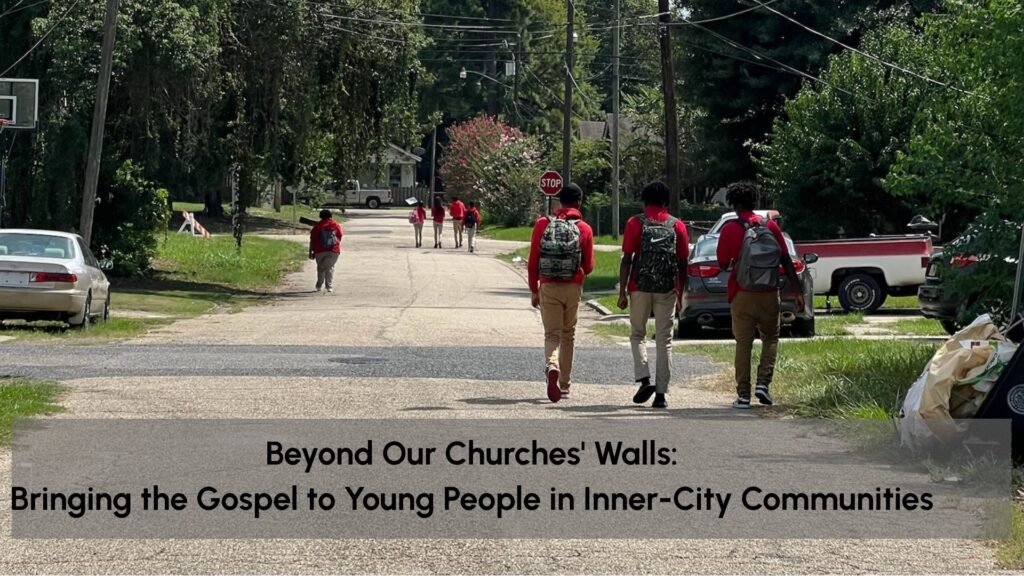
We build churches, organize programs, and invite people to come. But what happens when the people who urgently need Jesus never show up?
For many young people in inner-city communities, the Catholic Church can feel like an unfamiliar world, distant from their neighborhoods, their struggles, and their everyday lives.
Yet Jesus proclaimed that He had come to bring Good News to the poor (Luke 4:18). Perhaps the question facing us today is not simply how to welcome more young people into our churches, but how willing we are to bring Christ to them.
Many young people in America grow up surrounded by poverty, instability, violence, and broken relationships. Some struggle to find adults they can trust. Others have never experienced the security of a community that believes in them, stands by them, and helps them discover their potential.
And many have never encountered Jesus Christ in a personal way.
We often look to Catholic parish youth ministry to reach young people, entrusting this important work to youth ministers. Parish programs, youth groups, retreats, and faith formation are essential for helping young people grow in their relationship with Jesus. Yet many of the young people who participate in these programs are already connected to the Church through their families or parish schools.
In many inner-city communities, the challenge is reaching young people who have little or no connection with the Church in the first place. They may spend their afternoons on basketball courts or street corners. They may return to homes where faith plays no part in family life, where relationships are unstable, or where the daily struggle to get by leaves little room for deeper questions about life and faith.
Reaching these young people requires more than inviting them to existing programs. It calls for a ministry designed to go out and meet them where they are, build trust over time, and bring the Gospel beyond the parish walls.
If we are serious about evangelization, we must be willing to go where they are.
The courage to cross the street
Imagine walking up to a group of teenagers gathered on a street corner. You don’t know them. You don’t know their stories, their struggles, or what they think about the Church. You may not even know how to begin the conversation.
It would be easier to stay on the other side of the street.
But that is precisely where the mission begins.
It begins when someone decides that the discomfort of approaching a stranger is worth the possibility of helping a young person discover that he or she matters. It begins when we cross social, racial, and cultural boundaries, set aside our assumptions, and take the first step toward building a relationship.
This is not simply a matter of being friendly or organizing another youth program. It requires a different approach to evangelization: one that starts with the young person, enters their world, and patiently builds trust.
We must learn their names, listen to their stories, understand their hopes, and take their struggles seriously. We must show up consistently, even when there is no immediate response or visible result, and when possible, get to know their family.
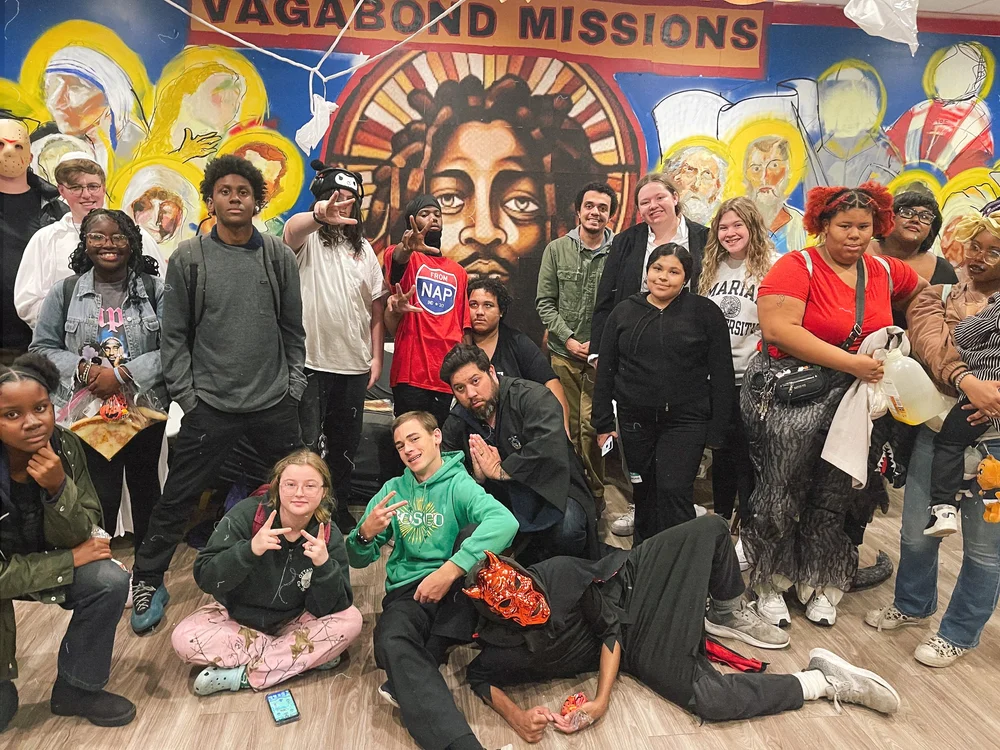
Most importantly, we must invite them into a community where they can experience belonging, discover that they are known and loved, and find people who will walk alongside them. Through friendship, shared experiences, and prayer, they can encounter not only the love of individual missionaries, but also the welcoming embrace of the Church.
Trust cannot be demanded; it must be earned. And genuine friendship cannot be measured by how quickly it produces a desired outcome.
Everyone Has a Part to Play
Reaching young people who have grown up on the margins of society requires faithful, prayerful, and committed people. It takes vision, careful preparation, and sustained support for a mission whose fruits may take years to become visible.
Above all, it requires a community that recognizes this mission as its own.
Some will go out onto the streets, build relationships, and accompany young people in their daily lives. Others will support missionaries through prayer, professional expertise, or financial resources. Each role matters, and together these contributions make the mission possible.
What if we measured our success not only by how many people come into our churches, but also by how many young people discover that the Church is willing to enter their world?
Answering that question calls for a shared commitment to reach those who might otherwise never hear the Gospel. It asks each of us to consider what we can contribute — our time, our talents, our experience, our prayers, our leadership, or our resources — to make this mission possible.
A mission worthy of our best
Caring about young people is not enough. We must turn that concern into a sustained commitment to reach those who are too often overlooked and remain beyond the Church’s reach.
We all have a part to play. We can cross the street, start a conversation, listen without judgment, support those who dedicate themselves to this mission, and help build the partnerships and communities that allow it to grow.
Reaching young people in inner-city communities requires patience, courage, and perseverance. We cannot control how a young person will respond to the Gospel or when he or she will join a parish community; conversion is ultimately the work of the Holy Spirit and involves each person’s freedom. But we can ensure that the opportunity to encounter Christ is not absent simply because no one was willing to go out and create it.
At Vagabond Missions, this is at the heart of our mission: building relationships with young people in inner-city communities so that they can encounter the love of Jesus Christ and discover the hope, purpose, and belonging that come from knowing Him.
Because sometimes, the first sign that the Gospel is taking root is not a young person walking into a church. It is a young person who begins to believe that someone cares enough to come back.
And that raises a final question for all of us who care about the future of the Church:
Are we willing to go beyond the familiar, work together to reach those on the margins, and help ensure that the young people most likely to be overlooked are not forgotten?
The opportunity is before us. The need is real. And the mission deserves our very best.